
LaBelle Green Waste Disposal Services
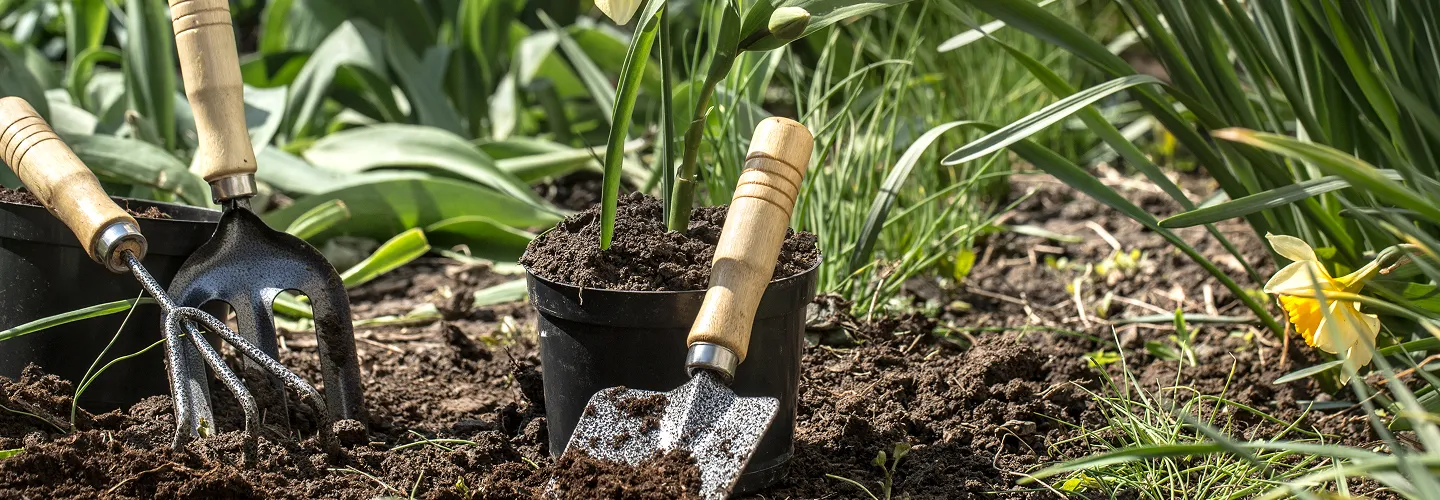
Choose our Green Waste Disposal for reliable, environmentally responsible service that keeps your property clean and supports a healthier community. We make it easy to dispose of yard debris and organic waste the right way.
Get a Free QuoteOur LaBelle Landscaping & Yard Care Services
When to Schedule Green Waste Disposal in LaBelle, Florida – Seasonal Guide
In LaBelle, Florida, the timing of green waste disposal is closely tied to our unique subtropical climate and the rhythms of local landscaping needs. The optimal periods for scheduling green waste removal are typically late winter through early spring, just after the last frost date, and again in late summer before hurricane season peaks. These windows allow homeowners in neighborhoods like Port LaBelle and along the Caloosahatchee River to clear out storm debris, fallen branches, and seasonal plant trimmings efficiently, minimizing the risk of pest infestations and promoting healthy regrowth.
Local environmental factors such as high humidity, sandy soils, and the prevalence of shade from mature oaks and palms all play a role in determining the best disposal schedule. For example, areas near Barron Park may experience more leaf drop due to dense tree coverage, while properties closer to the LaBelle Nature Park might need to account for municipal restrictions on disposal. For more information on local guidelines, visit the official municipal resource.
Local Factors to Consider for Green Waste Disposal in LaBelle
- Tree density and species (e.g., live oaks, palms, citrus)
- Proximity to water bodies and flood-prone zones
- Seasonal precipitation and drought risk
- Soil type (sandy vs. loamy)
- Shade coverage and sun exposure
- Municipal collection schedules and restrictions
- Terrain and accessibility for disposal vehicles
Benefits of Green Waste Disposal in LaBelle
Eco-Friendly Landscaping Solutions
Efficient Yard Waste Removal
Promotes Healthy Plant Growth
Reduces Landfill Waste
Improves Curb Appeal
Supports Local Sustainability
LaBelle Green Waste Disposal Types

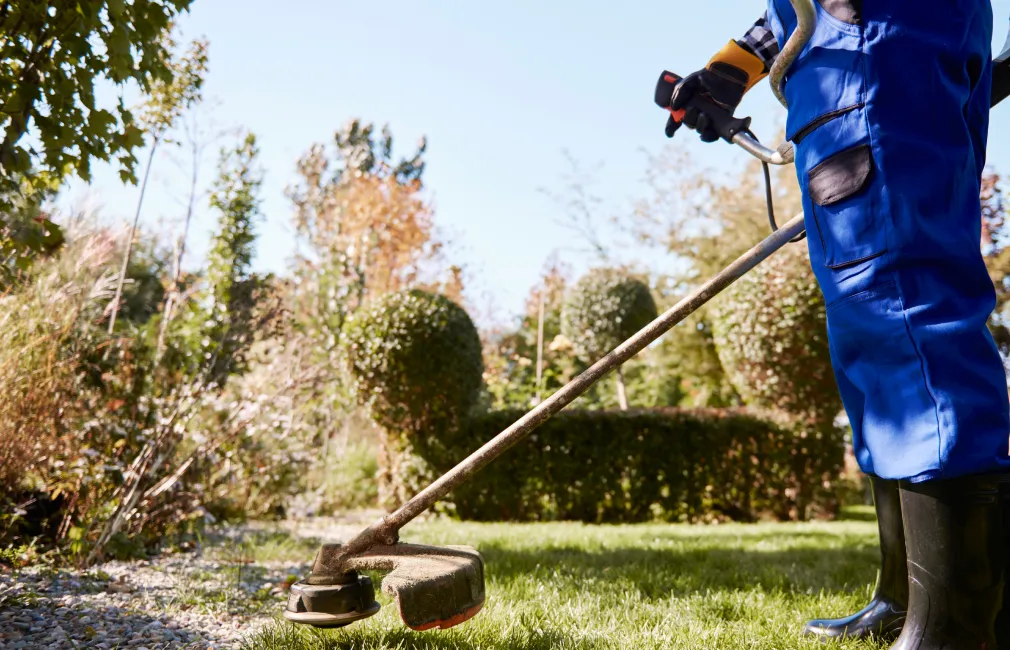
Grass Clippings
-
Tree Branches
-
Shrub Trimmings
-
Leaves Collection
-
Garden Debris
-
Mulch Disposal
-
Sod Removal
Our Green Waste Disposal Process
Collection of Green Waste
Sorting and Separation
Transport to Disposal Facility
Eco-Friendly Processing
Why Choose LaBelle Landscape Services
-
LaBelle Homeowners Trust Us
-
Expert Lawn Maintenance
-
Reliable Scheduling
-
Competitive Pricing
-
Professional Team
-
Satisfaction Guarantee
-
Personalized Service
Coordinating Green Waste Disposal Through LaBelle and Hendry County Municipal Programs
Green waste disposal in LaBelle requires coordination with both city and county departments, as the City of LaBelle operates within Hendry County's broader waste management framework. Residents and property managers should verify current curbside vegetative debris collection schedules, accepted materials, and bundling or containerization requirements directly with the appropriate municipal office before placing green waste at the curb. Organic yard debris—including grass clippings, palm fronds, tree trimmings, and shrub cuttings—must be separated from household refuse and construction materials. Commercial landscaping operations generating large volumes of vegetative waste should confirm whether hauler permits or transfer station drop-off procedures apply. The City of LaBelle Community Development department can direct inquiries related to code compliance for debris accumulation on residential and commercial frontages.
- Separate green waste from household trash, recyclables, and construction debris
- Confirm bundling size limits and container requirements before placing material curbside
- Commercial haulers should verify disposal routing through Hendry County facilities
- Avoid placing vegetative debris over storm drains, swale inlets, or canal banks
City of LaBelle Community Development
481 West Hickpochee Avenue, LaBelle, FL 33935
Official Website: City of LaBelle Community Development
How LaBelle's Inland Subtropical Climate Intensifies Green Waste Volume
LaBelle sits in USDA Hardiness Zone 10a within South Florida's inland subtropical corridor, where prolonged summer heat, high humidity, and a pronounced wet season from roughly May through October drive aggressive vegetative growth. The Caloosahatchee River corridor and surrounding agricultural lowlands contribute to a high water table and poorly drained conditions across many residential areas. Soils in and around LaBelle are predominantly sandy flatwoods and marl-influenced profiles, which drain quickly at the surface but can become saturated during heavy summer rainfall events. These conditions produce several green waste challenges:
- Rapid turf and shrub growth during the wet season generates substantially more clippings, hedge trimmings, and palm debris than dry-season months
- Storm-season debris surges from tropical weather events can overwhelm normal collection schedules with downed branches, fronds, and uprooted vegetation
- High water table sensitivity means improperly staged green waste piles near swales, ditches, and canal edges can leach tannins and organic matter into surface water
- Sandy, nutrient-poor soils encourage heavy mulching and composting interest, but decomposing piles left in low-lying areas risk attracting pests and obstructing drainage flow
Understanding these local conditions helps residents time their disposal efforts and avoid placing large volumes of organic material where it may interfere with stormwater conveyance. The USDA Web Soil Survey provides parcel-level soil data for property owners evaluating on-site composting feasibility.
Navigating LaBelle's Regulatory Framework for Green Waste and Debris Compliance
Green waste disposal in LaBelle falls under overlapping city code enforcement standards and Hendry County environmental regulations. Property owners should be aware of several compliance layers that govern how vegetative debris is handled, stored, and removed from residential and commercial parcels.
- Code compliance: Accumulated yard waste left on a property beyond scheduled collection periods may trigger nuisance violations under city code enforcement. Verify current accumulation limits with the Community Development department.
- Stormwater protection: Under the Florida DEP NPDES Stormwater Program, organic debris must not be deposited into or adjacent to stormwater conveyance systems, including roadside swales, canal banks, and retention areas. The Clean Water Act establishes the federal framework prohibiting pollutant discharge into waters of the United States, which includes nutrient-laden runoff from decomposing vegetation.
- Burning restrictions: Open burning of yard waste within city limits is subject to Florida Forest Service authorization. Residents in unincorporated Hendry County areas adjacent to LaBelle should contact the county forester before conducting any open burning of vegetative debris.
- Commercial operations: Landscaping companies disposing of client-generated green waste at county facilities should confirm current tipping requirements and material acceptance standards.
Florida Forest Service – County Forester Directory
Official Website: Florida County Forester Directory
Hendry County Environmental Health
Official Website: Hendry County Environmental Health
Timing and Methods for Green Waste Disposal in LaBelle's Seasonal Cycles
Effective green waste management in LaBelle requires aligning disposal practices with the area's distinct wet and dry seasons. During the wet season, weekly or biweekly disposal may be necessary to keep pace with accelerated growth of St. Augustinegrass, bahiagrass, tropical shrubs, and palms. Dry-season volumes typically decrease but can spike after cold fronts damage tender ornamentals or after late-season storms deposit debris.
- Bundling and cutting: Branches and palm fronds should be cut to manageable lengths and bundled or stacked neatly at the curb, separated from bagged clippings and loose leaf material
- Bagging clippings: Use biodegradable bags or open containers where accepted; verify current container standards with the city before collection day
- On-site composting: Property owners with sufficient lot area may compost grass clippings, leaves, and small trimmings on-site, provided piles are maintained away from property lines, drainage swales, and neighboring structures
- Storm debris: After tropical weather events, large-volume vegetative debris may require separate scheduling or hauler coordination; do not push storm debris into roadside ditches or canal rights-of-way
Protecting the Caloosahatchee River system and local canal networks is essential. As outlined by UF/IFAS guidance on protecting Florida's water resources, keeping organic material out of waterways reduces nutrient loading and helps maintain downstream water quality. The Hendry County Engineer office can address questions about drainage infrastructure and right-of-way clearance requirements for properties adjacent to county-maintained canals and ditches.
What Neighborhoods Do We Serve Throughout LaBelle, FL?
- Port LaBelle: This large planned community features extensive canal networks and retention areas, requiring careful staging of green waste away from waterway edges and HOA-maintained common areas.
- Belmont: Established residential lots with mature oak and palm canopy generate consistent volumes of leaf litter and frond debris, particularly after summer storms.
- Ford Park: Older residential parcels near the Caloosahatchee River corridor may have limited curbside staging space and require attention to flood-zone setbacks when stockpiling yard waste.
- Aqua Isles: Waterfront and canal-adjacent properties in this area demand strict separation of green waste from shoreline zones to prevent organic runoff into connected waterways.
- LaBelle Heights: Mixed lot sizes and varying tree cover create uneven disposal volumes across the neighborhood, with larger parcels often requiring coordinated hauling for seasonal cleanups.
- Caloosa Estates: Rural-residential properties on the outskirts may fall under county rather than city collection services, and owners should confirm jurisdiction-specific pickup schedules with Hendry County.