
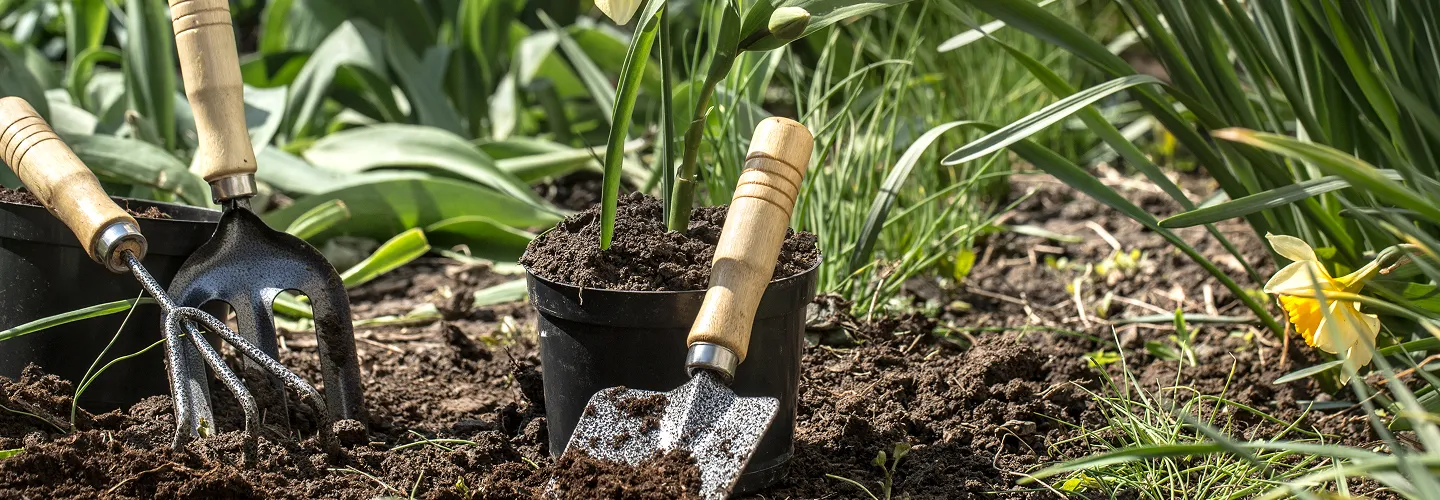
LaBelle Flower Planting Services
Choose LaBelle for vibrant, expertly arranged flower beds that enhance your curb appeal and bring lasting beauty to your landscape—crafted with care by our passionate planting specialists.
Get a Free QuoteOur LaBelle Landscaping & Yard Care Services
When to Schedule Flower Planting in LaBelle, Florida – Seasonal Guide
In LaBelle, Florida, timing your flower planting is crucial for vibrant, long-lasting blooms. The region’s subtropical climate means mild winters and hot, humid summers, so the best planting windows are typically late fall through early spring. Planting during these months allows roots to establish before the intense summer heat arrives. Neighborhoods near Barron Park and along the Caloosahatchee River often experience unique microclimates, with river breezes and occasional morning fog influencing soil moisture and temperature.
Local gardeners should pay close attention to LaBelle’s last frost date, usually in early February, and consider the area’s sandy soils, which drain quickly but may require soil amendments for optimal flower growth. Areas with dense shade from mature oaks, such as those found in Port LaBelle, may need shade-tolerant varieties. For more detailed local planting guidelines, visit the official resource.
Local Factors to Consider for Flower Planting in LaBelle
- Tree density and available sunlight in your yard
- Soil type and drainage, especially in river-adjacent neighborhoods
- Typical precipitation patterns and drought risk
- Humidity levels and their effect on plant health
- Municipal restrictions or watering schedules
- Terrain variations, such as low-lying or flood-prone areas
Benefits of Flower Planting in LaBelle
Expert Local Knowledge
Customized Landscape Designs
Seasonal Plant Selection
Enhanced Curb Appeal
Eco-Friendly Practices
Reliable Maintenance Services
LaBelle Flower Planting Types

Perennial Flower Beds
-
Annual Flower Displays
-
Native Plant Gardens
-
Pollinator-Friendly Plantings
-
Seasonal Color Rotations
-
Shade Garden Installations
-
Drought-Tolerant Landscapes
Our Flower Planting Process
Site Evaluation
Soil Preparation
Flower Selection
Planting
Watering and Mulching
Why Choose LaBelle Landscape Services
-
LaBelle Homeowners Trust Us
-
Expert Lawn Maintenance
-
Reliable Scheduling
-
Competitive Pricing
-
Professional Team
-
Satisfaction Guarantee
-
Personalized Service
Coordinating Flower Planting Projects with LaBelle's Community Development Department
Flower planting projects in LaBelle often intersect with municipal development standards, particularly when installations occur along rights-of-way, within planned developments, or on properties subject to site plan review. The City of LaBelle Community Development Department oversees land-use compliance and can advise property owners on whether proposed planting areas fall within setback zones, utility easements, or drainage corridors that require coordination before ground disturbance begins. Residents planning flower installations adjacent to swales, canal banks, or stormwater conveyance features should confirm that planting activity will not obstruct drainage flow or introduce soil disturbance into regulated areas. For projects involving frontage landscaping or visible streetscape changes, the department can clarify applicable site standards.
- Verify whether planting locations fall within utility easements or right-of-way buffers before beginning soil preparation
- Confirm that proposed bed grading will not redirect surface water toward neighboring parcels or municipal drainage infrastructure
- Review any applicable site plan conditions for properties within planned developments or commercial corridors
City of LaBelle Community Development Department
Official Website: City of LaBelle Community Development
For projects that may require formal zoning review—such as large-scale commercial plantings or installations that alter the visual character of a regulated frontage—the City of LaBelle Planning and Zoning Applications page provides relevant forms and procedural guidance.
How LaBelle's Inland Subtropical Climate Shapes Flower Planting Success
LaBelle sits in USDA Hardiness Zone 10a, positioned in South Florida's interior along the Caloosahatchee River within Hendry County. This inland subtropical location produces conditions distinct from coastal communities. Summer temperatures regularly exceed 90°F with high humidity, and the wet season from roughly June through October delivers heavy, often daily, afternoon rainfall. These factors directly influence flower species selection, planting timing, and bed preparation.
- Heat and humidity: Prolonged summer heat combined with saturated air promotes fungal diseases in susceptible flower species; selecting varieties with proven heat tolerance—such as pentas, lantana, firebush, and blanket flower—reduces replacement frequency
- Sandy and poorly drained soils: Much of the LaBelle area features sandy flatwoods soils and low-lying areas with high water tables, meaning beds may require organic amendment and raised grading to prevent root saturation during wet-season downpours
- Nutrient leaching: Sandy substrates allow fertilizer to move rapidly through the soil profile, increasing the risk of nutrient runoff into the Caloosahatchee River system, adjacent canals, and local retention areas
- Dry-season irrigation dependence: From November through May, rainfall drops significantly, and flower beds without reliable irrigation coverage face rapid moisture stress in exposed, full-sun locations
The USDA Plant Hardiness Zone Map confirms LaBelle's classification and helps residents identify species rated for the area's minimum winter temperatures, which rarely fall below 30°F but can occasionally produce brief frost events in January.
Navigating Hendry County and State Regulations Affecting Flower Planting in LaBelle
While flower planting itself does not typically require a building permit, several regulatory layers apply when projects involve soil amendment, chemical application, or proximity to environmentally sensitive features. Property owners and service providers should be aware of the following compliance considerations:
- Fertilizer application: Florida Statutes §403.9337 establishes the model ordinance framework for Florida-Friendly fertilizer use on urban landscapes; residents should verify current local fertilizer restrictions, including any seasonal blackout periods that Hendry County or the City of LaBelle may enforce
- Pesticide licensing: Any commercial applicator treating flower beds with pesticides or herbicides must hold appropriate certification through the Florida Department of Agriculture and Consumer Services
- Stormwater protection: Flower bed installations near canal edges, swales, retention ponds, or storm-drain inlets must avoid introducing loose soil, mulch, or chemical runoff into the stormwater system, consistent with Florida DEP NPDES Stormwater Program requirements
- Environmental health context: For properties near water supply features or in areas with environmental sensitivity, the Hendry County Environmental Health office can provide guidance on site-appropriate practices
Hendry County Environmental Health
Official Website: Hendry County Environmental Health
Timing and Methods for Professional Flower Planting in LaBelle's Growing Seasons
Flower planting in LaBelle benefits from two primary installation windows aligned with the region's climate patterns. The optimal periods and professional standards include:
- Fall planting window (October–November): As wet-season intensity subsides and temperatures moderate, newly installed flowers establish root systems before the cooler, drier months; this window suits cool-tolerant annuals such as petunias, snapdragons, and dianthus
- Late winter to early spring (February–March): Warm-season flowers including pentas, salvia, portulaca, and vinca can be installed as frost risk diminishes, allowing establishment before summer heat peaks
- Soil preparation: Amending LaBelle's sandy soils with composted organic matter improves moisture retention and nutrient-holding capacity; bed depth of six to eight inches of prepared soil is a common professional standard for annual flower installations
- Irrigation setup: Drip emitters or micro-spray heads positioned within beds deliver water directly to root zones, reducing waste and minimizing foliar moisture that promotes fungal issues; EPA WaterSense guidelines support efficient outdoor irrigation practices
- Mulch application: A two- to three-inch layer of organic mulch around planted flowers moderates soil temperature, suppresses weeds, and reduces evaporation; mulch should be kept away from direct contact with plant stems to prevent crown rot
Avoid planting during peak wet-season months (July–September) when daily heavy rainfall can wash out newly installed beds, displace mulch into drainage features, and promote root disease in saturated soils. As referenced by UF/IFAS Gardening Solutions, protecting local water resources requires keeping soil amendments, fertilizer granules, and loose organic material out of stormwater conveyance systems during and after installation.
Hendry County Engineer
Official Website: Hendry County Engineer
What Neighborhoods Do We Serve Throughout LaBelle, FL?
- Port LaBelle: This large planned community features canal-bordered lots and HOA-maintained common areas where flower planting must account for high water tables, canal setback zones, and community appearance standards
- Caloosa Estates: Properties in this area often have larger rural lots with full-sun exposure and sandy soils that require thorough amendment before flower bed installation
- LaBelle Historic Downtown: Older residential parcels near the Caloosahatchee River present mature tree canopy and shade considerations that influence flower species selection toward shade-tolerant varieties
- Muse: This unincorporated community northwest of LaBelle features agricultural-adjacent properties where drainage patterns and open-field wind exposure affect flower establishment and irrigation planning
- Belmont: Residential lots in this area may include fill-based soils from subdivision development, requiring soil testing and amendment to support healthy flower root systems
- Ford Park / Riverside: Properties near the river corridor benefit from proximity to water but face periodic high-water-table conditions and potential flood-zone considerations that affect bed placement and grading