
LaBelle Hedging Services
Choose LaBelle for precision-crafted hedges that elevate your property's beauty, privacy, and value—delivered by experienced professionals who care about your landscape as much as you do.
Get a Free QuoteOur LaBelle Landscaping & Yard Care Services
When to Schedule Hedging in LaBelle, Florida – Seasonal Guide
In LaBelle, Florida, the best times for hedging are shaped by our unique subtropical climate and the specific needs of local landscapes. Typically, late winter through early spring is ideal, as this period avoids the risk of frost and allows plants to recover before the intense summer heat arrives. Neighborhoods near Barron Park and along the Caloosahatchee River often experience higher humidity and shade, which can influence the timing and frequency of hedging services.
Local environmental factors such as sandy soils, periodic drought risk, and the prevalence of mature oaks and palms in areas like Port LaBelle mean that hedging schedules should be tailored to each property. It's also important to consider municipal guidelines and seasonal rainfall patterns, which can affect both plant health and accessibility. For more information on local regulations, visit the official city resource.
Local Factors to Consider for Hedging in LaBelle
- Tree density and species diversity in your neighborhood
- Terrain variations, especially near riverbanks or shaded lots
- Seasonal precipitation and drought risk
- Municipal restrictions on trimming and debris disposal
- Soil type and drainage characteristics
Benefits of Hedging in LaBelle
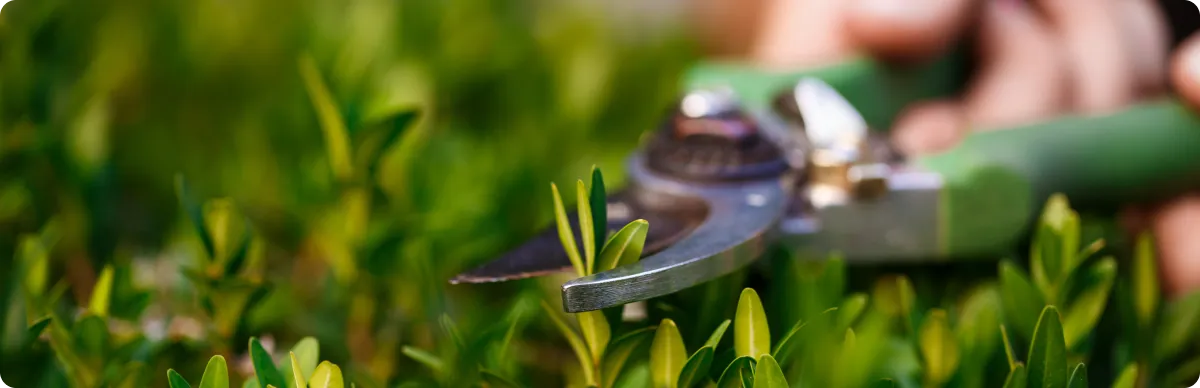
Enhanced Curb Appeal
Improved Property Value
Professional Landscape Maintenance
Customized Hedging Solutions
Expert Local Knowledge
Reliable and Timely Service
LaBelle Hedging Types

Boxwood Hedges
-
Privet Hedges
-
Yew Hedges
-
Laurel Hedges
-
Holly Hedges
-
Photinia Hedges
-
Arborvitae Hedges
Our Hedging Process
Consultation
Site Preparation
Precision Trimming
Cleanup
Why Choose LaBelle Landscape Services
-
LaBelle Homeowners Trust Us
-
Expert Lawn Maintenance
-
Reliable Scheduling
-
Competitive Pricing
-
Professional Team
-
Satisfaction Guarantee
-
Personalized Service
Coordinating Hedging Services with LaBelle's Community Development and Zoning Standards
Property owners in LaBelle should be aware that hedge placement, height, and maintenance along property frontages and side yards may be subject to local zoning and land-use standards administered through the City of LaBelle's community development office. Hedges that encroach on public rights-of-way, obstruct sidewalk visibility, or interfere with drainage swales can trigger code compliance concerns. Before installing or significantly altering hedging along lot boundaries, residents should verify current setback and screening requirements through the city's planning and zoning process. Hendry County's engineering office also oversees infrastructure corridors where hedge growth near drainage ditches or road shoulders may require coordination.
- Confirm hedge placement does not obstruct sight triangles at driveways or intersections
- Verify screening and buffer requirements for properties adjacent to commercial or agricultural zones
- Coordinate with county engineering if hedges border drainage easements or canal rights-of-way
City of LaBelle Community Development
Official Website: City of LaBelle Community Development
Hendry County Engineer
Official Website: Hendry County Engineer
How LaBelle's Subtropical Climate and Inland Soils Shape Hedging Demands
LaBelle sits in USDA Hardiness Zone 10a within South Florida's inland subtropical corridor, where conditions differ markedly from coastal communities. The Caloosahatchee River corridor and surrounding agricultural flatlands produce a climate defined by intense summer heat, high humidity from May through October, and a pronounced wet season that delivers the majority of annual rainfall between June and September. Soils in the LaBelle area tend toward sandy flatwoods and marl-influenced profiles with variable drainage capacity. The high water table common across Hendry County means hedge root zones often sit close to saturated conditions during the wet season, influencing species selection and irrigation planning.
- Summer temperatures regularly exceed 90°F with humidity levels that promote rapid vegetative growth and fungal pressure on dense hedge canopies
- Sandy soils leach nutrients quickly, requiring careful fertilization timing to avoid runoff into the Caloosahatchee River system, local canals, and retention areas
- Marl-influenced soils in some areas can restrict root penetration and drainage, affecting hedge establishment
- Freeze events are uncommon but possible during January and February, which can damage tropical hedge species like Ficus or Ixora
The USDA Plant Hardiness Zone Map confirms LaBelle's placement in Zone 10a, guiding appropriate species selection for long-term hedge performance.
Navigating LaBelle's Regulatory Framework for Hedge Maintenance and Compliance
Hedge maintenance in LaBelle intersects with several layers of local and state regulation. The City of LaBelle's planning and zoning division administers land-use codes that may specify hedge height limits, required screening buffers between land uses, and frontage appearance standards. Property owners planning to install new hedging as part of a site improvement or development project should review applicable zoning requirements through the city's application process.
- Hedges used as privacy screens or buffers between residential and commercial parcels may need to meet minimum height and density specifications established in the zoning code
- Vegetative debris from hedge trimming must be managed to prevent material from entering stormwater conveyances, consistent with Florida DEP NPDES Stormwater Program requirements
- Any chemical treatments applied to hedges—including fungicides or growth regulators—must be performed by individuals holding appropriate credentials under FDACS Pesticide Applicator Certification and Licensing
- Hedges adjacent to the Caloosahatchee River, canal banks, or retention ponds should be maintained to preserve stormwater conveyance function and protect Florida's water resources
City of LaBelle Planning and Zoning
Official Website: City of LaBelle Planning and Zoning Applications
Timing Hedging Cycles Around LaBelle's Wet Season and Growth Patterns
Professional hedging in LaBelle requires careful alignment with the region's growth cycles and weather patterns. The most productive shaping periods fall during the active growing season from late March through early October, when subtropical hedge species such as Clusia, Green Island Ficus, Cocoplum, Podocarpus, and Walter's Viburnum respond vigorously to trimming. However, scheduling must account for the wet season's intensity and the practical limitations it creates.
- Late March through May represents an ideal primary shaping window, allowing hedges to be trimmed before the heaviest rains arrive and promoting dense regrowth during peak growing conditions
- September through early October provides a secondary shaping opportunity as wet-season rainfall begins to taper, allowing hedges to be brought back into form before the cooler dry season
- November through February trimming should be conservative, as reduced growth rates slow recovery and any freeze event could damage freshly cut tissue
- Hedge clippings should be collected immediately after trimming rather than left on the ground, particularly near swales, canal edges, or storm-drain inlets where organic debris can impede drainage
- Irrigation should be coordinated with trimming cycles—hedges benefit from consistent moisture during recovery, but overwatering on LaBelle's sandy soils accelerates nutrient leaching into groundwater and surface water systems
Equipment sanitation between properties is a standard professional practice to prevent the spread of fungal pathogens such as Cercospora or sooty mold, both of which thrive in LaBelle's humid conditions.
What Neighborhoods Do We Serve Throughout LaBelle, FL?
- Port LaBelle — This large planned community features canal-bordered lots and HOA-maintained common areas where hedge screening along property lines and canal easements requires regular shaping cycles and debris management to protect drainage infrastructure.
- LaBelle Historic Downtown District — Older residential lots near the Caloosahatchee River often feature mature hedging with established root systems in compacted soils, requiring careful trimming to maintain sidewalk clearance and frontage visibility.
- Caloosa Estates — Larger rural-residential parcels in this area frequently use hedging for windbreaks and property delineation, with sandy flatwoods soils that demand irrigation attention during dry-season establishment.
- Belmont — This residential area includes properties with mixed sun and shade exposure where hedge species selection and trimming frequency must account for variable light conditions and proximity to drainage swales.
- Ford Park Area — Properties near Hendry County recreational facilities may border public greenspace or utility easements, requiring coordination with county standards for hedge height and setback along shared boundaries.